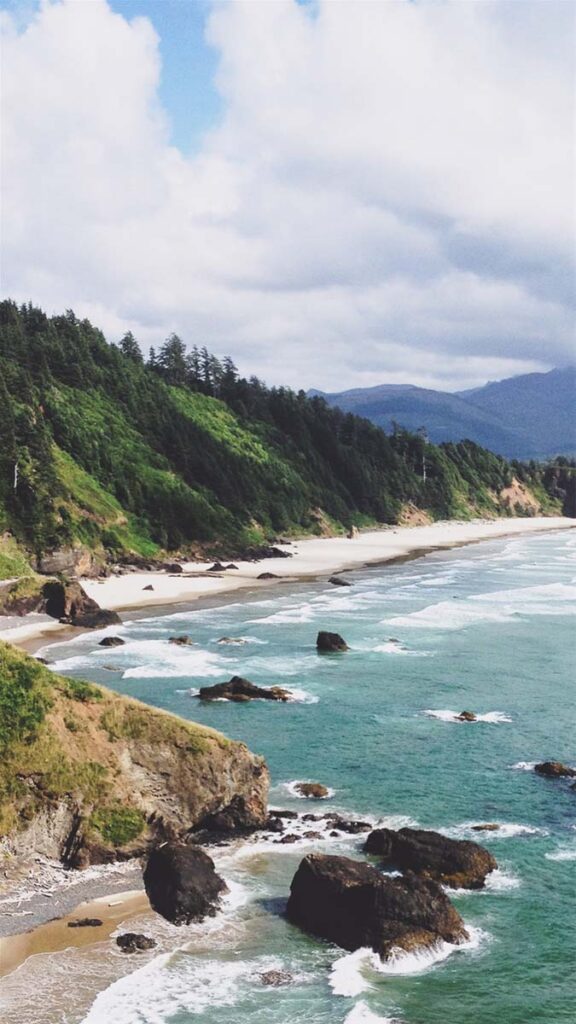

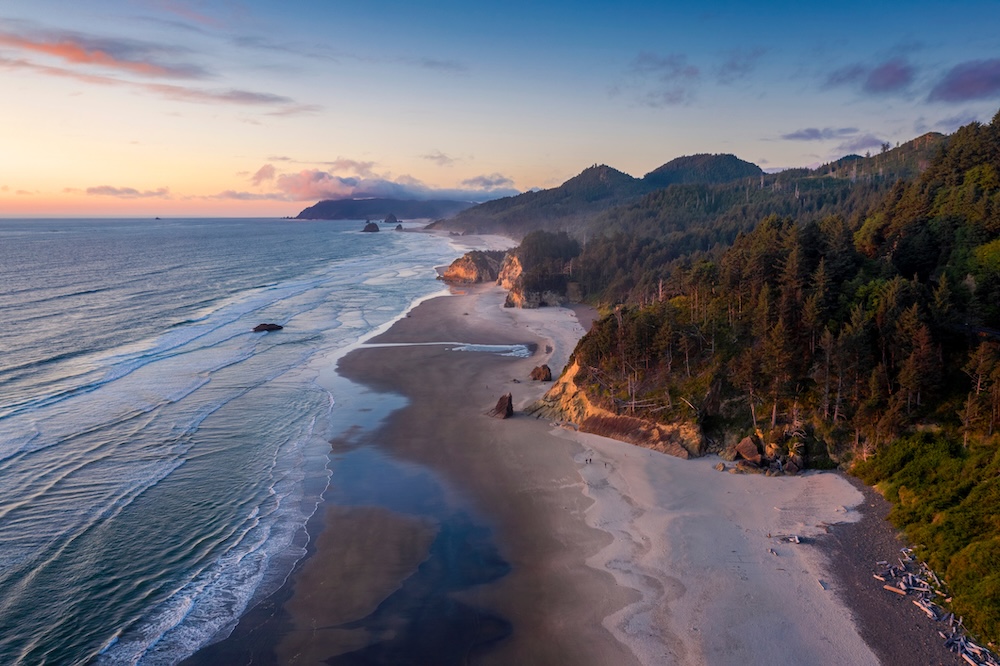

Beachcombing on the Oregon coast is unlike anywhere else. Thanks to the wide stretches of hard-packed sand and impressive low tides, the treasures often extend far beyond typical seashells. From Haystack Rock to Lincoln City and beyond, this area is filled with goodies, including sea glass, petrified wood, incredible marine life, and even hidden treasures (if you know what to look for).
This guide to beachcombing gives you the scoop on what to watch out for, what you can find, and how to make the most of your day near the water. Check it out and get ready for an unforgettable Cannon Beach getaway!
In This Article:
- What is Beachcombing?
- Where is the Best Tide Pooling Spot in Cannon Beach?
- What Can I See Beachcombing and Tide Pooling in Oregon?
- What to Know Before Beachcombing in Oregon
- Book a Stay Near Haystack Rock
- Frequently Asked Questions
What is Beachcombing?
Beachcombing is the simple pastime of wandering the shore and looking for treasures in the sand. Everything from unique shells to the beautiful glass floats in Lincoln City can be found. Low tide is best, but you can also take sifters and nets to the beach and comb through the loose sand to see what you unearth.
Where Is the Best Tide Pooling Spot in Cannon Beach?
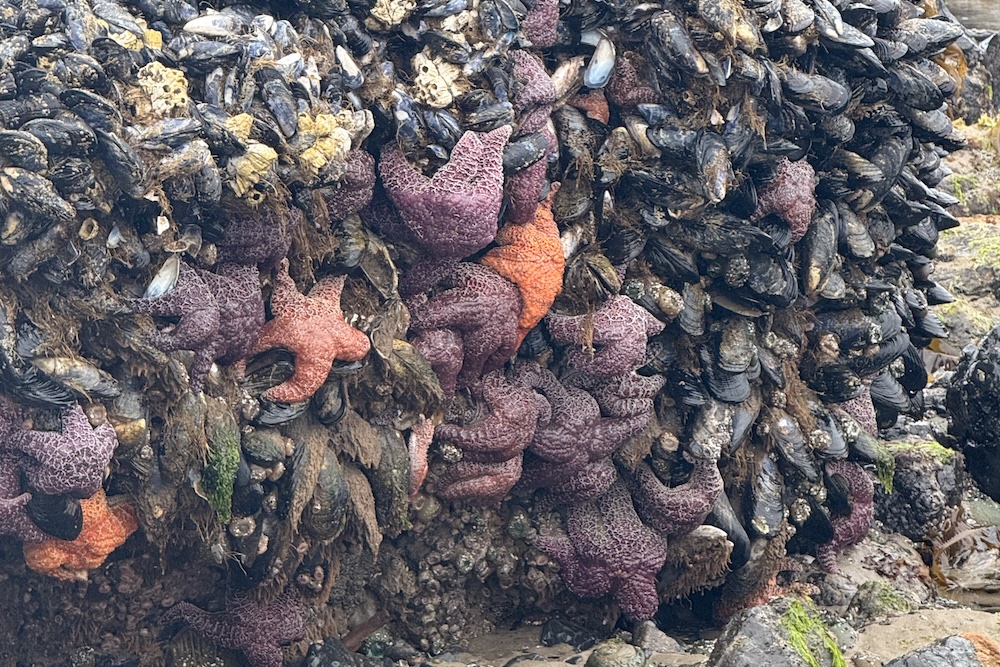
While you could argue that anywhere along the Oregon coast is a tide pooling haven, if you ask us, Haystack Rock offers some of the absolute best. As the water recedes, exposing underwater rock formations, you’ll find all kinds of mesmerizing creatures!
Bright purple and orange sea stars cling to the underbellies of basalt boulders. Oysters, barnacles, and limpets adorn every surface. In the water, green sea anemones sway with the incoming waves. There’s an entire world waiting to be seen. Another reason we love tide pooling at Haystack Rock is the local members of the Haystack Rock Awareness Program, who are always nearby to answer any questions you may have about the species you’re seeing.
Since Haystack Rock is also a protected shorebird sanctuary, your tide pooling sites aren’t just limited to marine life. You’ll likely spot bald eagles, tufted puffins (in season), brown pelicans, raptors, cormorants, and many others walking on the beach and near the pooled water searching for food.
What Can I See Beachcombing and Tide Pooling in Cannon Beach?
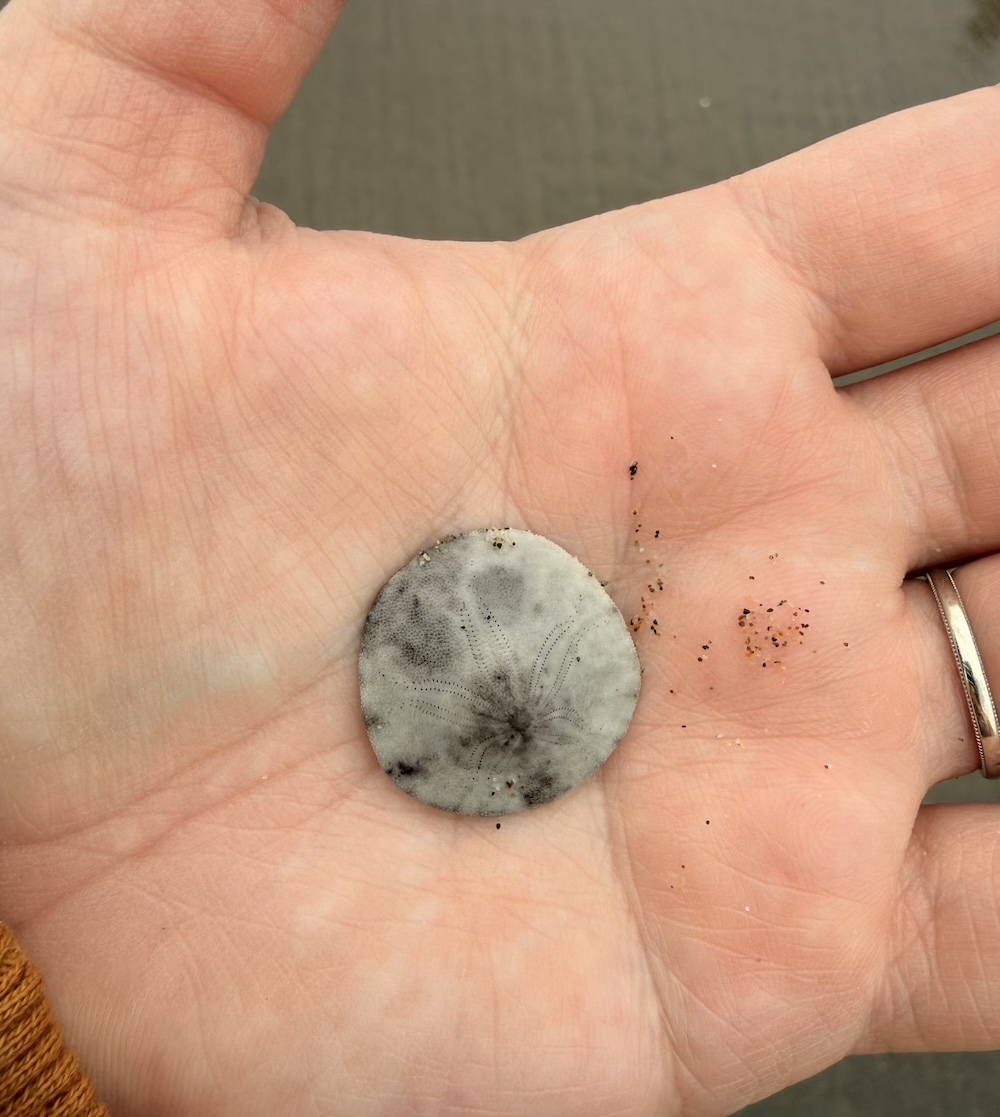
We’ve covered a few of the most common things you’ll see in tide pools, but that’s just the surface. Along your wander, you’re likely to spy:
- Whole Sand dollars – live ones are brown, be sure to put them back in the water
- Sea glass – weathered, cloudy pieces of glass worn down by sand and waves
- Agates and Jasper – best found in winter at low tide
- Small bone fragments and fossils – popular at Arcadia Beach south of Cannon Beach
- Driftwood – all along Cannon Beach
- Velella Velella (by-the-wind sailors) – Bright blue organism that commonly washes up during springtime. They look like jellyfish, but are harmless to humans
- Nudibranchs – Feathery-looking, brightly colored creatures found in shallow pools
- Burrowing clams – Check near sides of underwater rock formations when the tide goes out
- Crabs – often hiding under seaweed
- Sponges and Coral – Be careful, coral is very delicate and can break or die from a single touch
What to Know Before Beachcombing in Oregon
The first thing to note about the Oregon coast is the weather. This isn’t your typical sunny day splashing in the water kind of beach. In fact, you’re more likely to see people wearing hoodies and rain boots than bathing suits. With that in mind, dress accordingly. The average daily highs in the middle of summer are still only in the 60s or low 70s. When in doubt, layers are the best option.
Second, the best time to go beachcombing or tide pooling is about an hour before low tide peaks. The second the tide peaks, it starts coming back in, so going out an hour early lets you explore while slowly more and more areas are exposed.
Lastly, it’s important to know about sneaker waves. These are waves that come out of nowhere and can wash your feet from under you and pull you out to sea. With so many rock formations just under the surface, this can be a very dangerous situation, especially if you’re not an excellent swimmer. Never turn your back on the ocean, and always check beach conditions before getting too close to the water.
Book a Stay Near Haystack Rock

Featured Property: The Sand Dollar
If you’re planning on tide pooling or beachcombing on your Oregon Coast vacation, then choosing a home base that puts you by the shore is a must. At Beachcomber Vacation Homes, we’ve got beautiful properties that put you close to Haystack Rock and easy beach access points so you can explore the shore whenever you want! From pet-friendly stays to luxury homes, or oceanfront properties directly on the beach, we’ve got something for every family. Browse our full inventory and book directly with Beachcomber to save on your trip.
See All Cannon Beach Vacation Rentals
Frequently Asked Questions
When is the best time to go tide pooling in Cannon Beach?
The best time to go tide pooling in Cannon Beach (or anywhere) is an hour before low tide peaks. This way, as you explore, you’ll gradually see more and more shore appear, opening up new areas to check out.
What is a glass float?
Glass Floats are handblown glass orbs modeled after Japanese fishing floats. As part of the Finders Keepers program in Lincoln City, a nearby coastal town, locals hide roughly 3,000 of these beautiful treasures along the shore throughout the year so beachcombers can have the wonderful experience of finding something truly unique as they explore.
Is there a limit to what I can take from the beach when beachcombing?
Yes. Oregon state limits the amount of organic matter you can take from the beach. For the most common items: agates, shells, rocks, and fossils, the rule is up to one gallon per person per day with a max of 3 gallons per person per calendar year.
By Jennifer Jeffcoat
Jennifer writes for Beachcomber, sharing her favorite things about Cannon Beach and the surrounding areas so travelers can plan trips they’ll remember for a lifetime.